History Museums
Riga’s history museums offer visitors the chance to explore Latvia’s past across different eras - from ancient settlements and medieval trade routes to the modern independent state. These museums cover themes such as daily life in past centuries, the city’s role in the Hanseatic League, and the impact of occupations and wars. By walking through interactive exhibitions, authentic artifacts, and personal stories, visitors gain a deeper understanding of how Riga has developed into the city it is today.
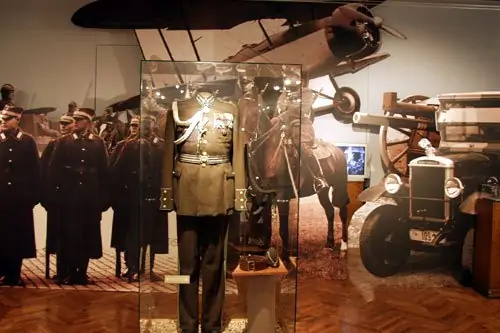
Latvian War Museum
The museum’s exposition reveals Latvia’s military political history with a special emphasis on the 20th century, a period during which the Latvian people had to fight to gain their independence on two occasions.
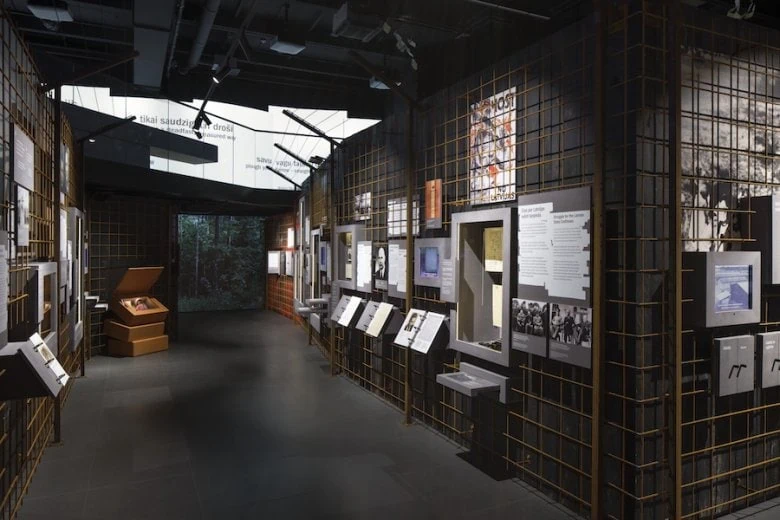
Museum of the Occupation of Latvia
The Museum reveals Latvia's history from 1940 until 1991, when occupations by both the Soviet Union and Nazi Germany were experienced.
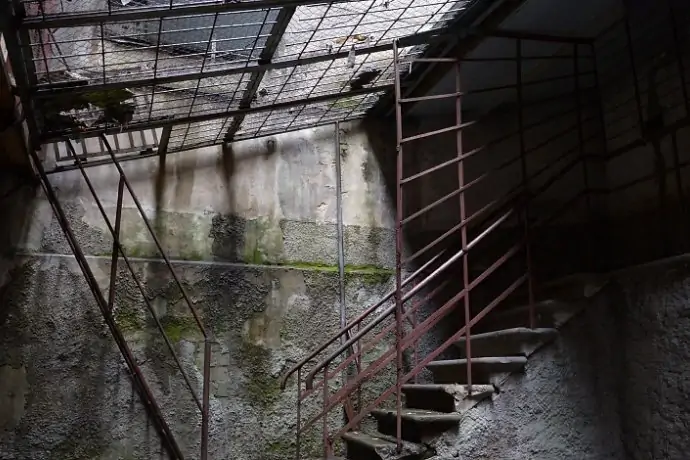
KGB building & museum (the Corner House)
The Corner House, a project by the Occupation Museum, provides the opportunity for the wider public to gain insight into the building that formerly used to serve as KGB, or ‘Cheka’, headquarters in Riga, by preparing an exhibition on the institution’s operation in Latvia and a tour of the building.
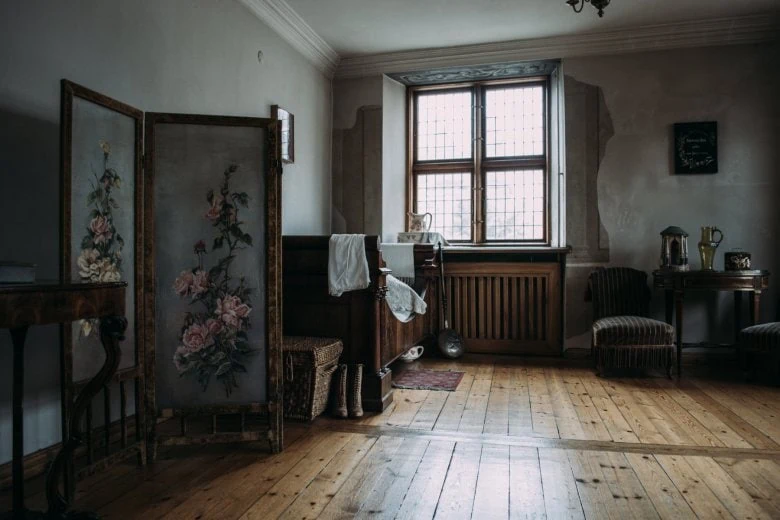
Mentzendorff House
Mentzendorff House offers a rare glimpse into everyday life in Riga during the 17th and 18th centuries. Located in the Old Town of Riga, it is the only museum of its kind in the Baltics, preserving the atmosphere of a wealthy merchant’s household. Visiting the house feels like stepping back in time, with each room carefully arranged to reflect historical living conditions.

Latvian National Museum of History
Riga Castle is not only one of the city’s most important historic landmarks but also the official residence of the President of Latvia. At the same time, a part of the castle houses the Latvian National Museum of History, creating a unique combination of political significance and cultural heritage.
Latvian Ethnographic Open-Air Museum
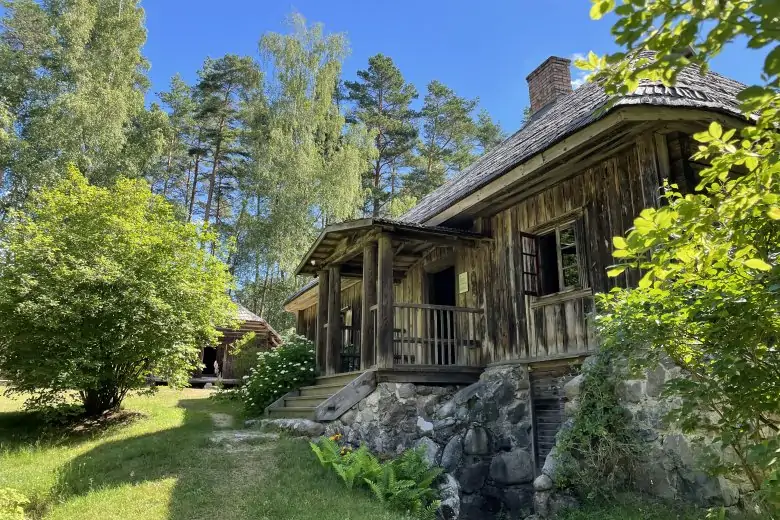
The Latvian Ethnographic Open-Air Museum is one of the oldest open-air museums in Europe. Now its territory covers 87.66 hectares of forest on the banks of Lake Jugla. The museum displays 118 historic buildings from all Latvian regions - Kurzeme, Vidzeme, Zemgale and Latgale dating from the 17th century to the beginning of 1930s.
Popular Front Museum
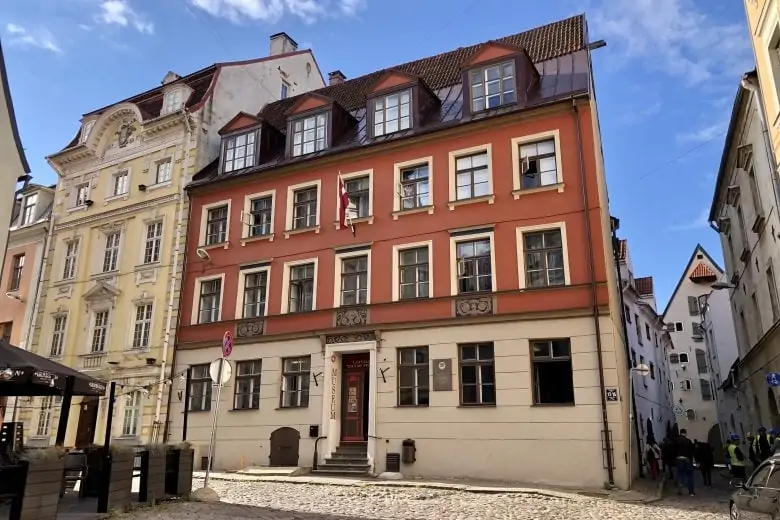
The Popular Front Museum is one of the departments of the National History Museum of Latvia and it is a modern history archive with specific documents and display items, reflecting the Latvian people's struggle for liberty at the end of the 20th century, to be known forever as the third Period of Reawakening or the Singing Revolution.
Museum of the History of Riga and Navigation
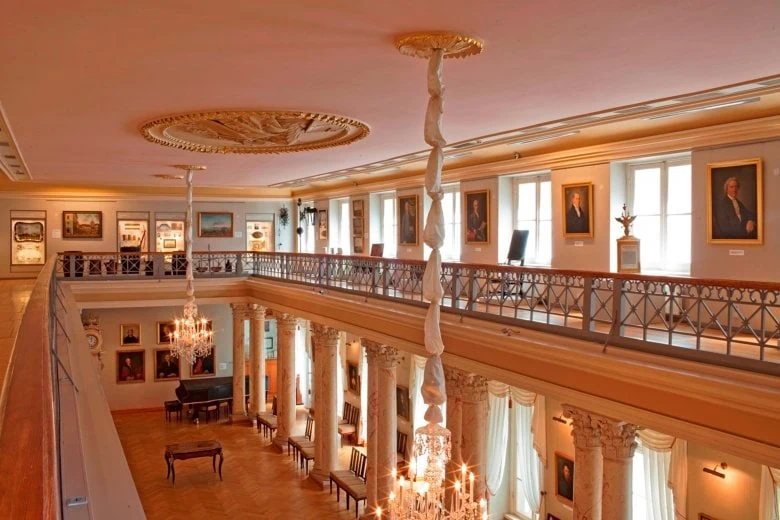
Founded in 1773, the Museum of the History of Riga and Navigation is the oldest public museum in Latvia and among the oldest in Europe. Its 16 exhibition halls present the story of Riga’s development over more than 800 years, alongside the history of shipping in the territory of Latvia from the 10th century to the present day.

Dauderi
"Dauderi" house, which belongs to the National History Museum of Latvia, is located in one of Rīga's neighbourhoods - Sarkandaugava. It was opened in 1990 and is the only museum in this area.
1991 Barricades Museum
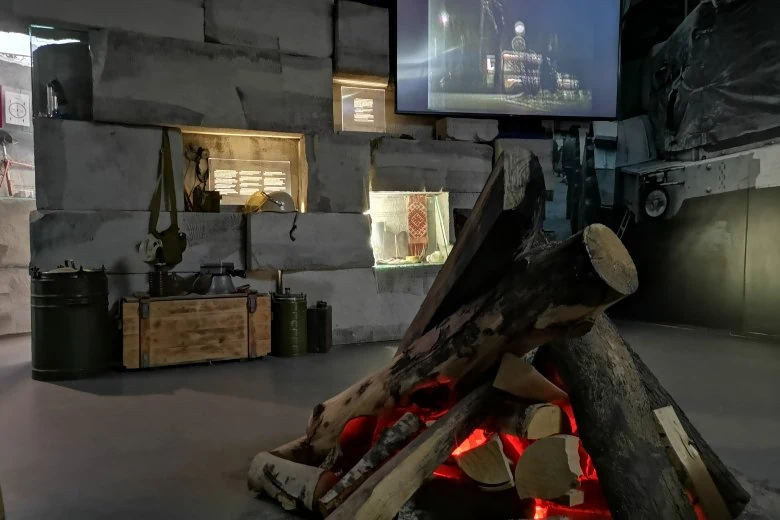
The 1991 Barricades Museum was established in 2001 by the association of participants of the January 1991 barricades, based on historical items and personal testimonies. Located in the Old Town of Riga, the museum stands in an area where barricade participants once gathered to rest and share meals. Its mission is to preserve, study and communicate the events of January and August 1991, while honouring the memory of those who lost their lives during Latvia’s struggle for independence.